
What’s In This Guide
Investment scams often borrow the name of a well-known company because familiarity lowers a potential victim’s guard. SpaceX has attracted years of investor interest, making fake share offers, supposed employee allocations, and “exclusive” private-market deals especially useful to fraudsters.
There is now an important fact that every investor should know. SpaceX completed its initial public offering in June 2026 and began trading under the symbol SPCX, according to the company’s SEC filings. A person offering a new “SpaceX pre-IPO allocation” today is not selling shares before the IPO. That contradiction alone should stop the transaction until every detail has been independently verified.
Federal Trade Commission data show that consumers reported more than $12.5 billion in fraud losses in 2024. Consumers reported $5.7 billion in losses to investment scams, more than any other fraud category, which is why polished pitches and urgent payment requests deserve scrutiny.
Quick Facts
- Verify every SpaceX investment offer through independent regulatory and company records.
- Treat “pre-IPO” claims, guaranteed returns, and urgent payment demands as major warning signs.
- Confirm the seller’s identity, registration status, ownership rights, and authority to transfer the investment.
- Never send money to an individual, unrelated company, unexplained overseas account, or unverified cryptocurrency wallet.
- If you already paid, contact the payment provider immediately, preserve all evidence, and report the suspected fraud.
What Does a SpaceX Investment Scam Look Like?
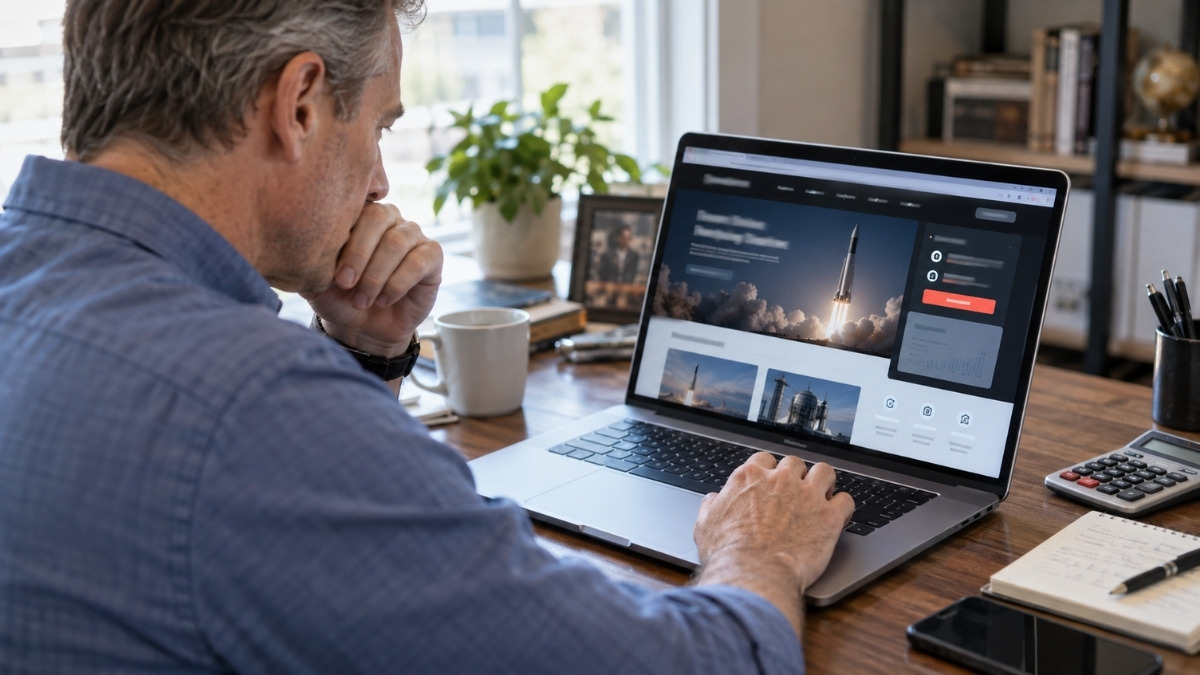
A SpaceX investment scam is any deceptive offer that falsely claims to provide ownership, economic exposure, IPO participation, or a special allocation connected to SpaceX. The offer may involve fake pre-IPO shares, fabricated fund interests, forged transfer documents, nonexistent special purpose vehicles, or a token that allegedly represents company stock.
The SEC warns that pre-IPO scams may be promoted through polished websites, social media, phone calls, group chats, and email. Promoters may claim that inventory is nearly gone or that ordinary investors have been granted rare access.
After the IPO, scammers may reuse old materials or rebrand the pitch as “founder shares,” “locked-up stock,” or a private block unavailable through a normal broker.
Not every private investment is fraudulent, but a legitimate transaction should identify the parties and responsible legal entity, explain whether the offer and sale are registered or rely on an exemption, and disclose the ownership terms, risks, fees, and payment instructions. A compelling story does not prove ownership. Federal securities offerings must be registered or qualify for an exemption.
Why SpaceX Scam Pitches Can Seem Convincing
Fraudsters understand how investors make decisions under uncertainty. They combine a recognizable brand with scarcity, social proof, technical language, and fear of missing out. A fake broker may display real company logos, copy a registered professional’s biography, or provide a doctored BrokerCheck report. A website may show a professional dashboard with a rising account balance even though no securities were purchased.
A scammer may mix accurate facts with false conclusions. Quoting a real SEC filing does not prove the promoter owns shares or has authority to sell them.
The strongest defense is independent verification. Check the company, seller, security, payment destination, and ownership chain through sources that are independent of the promoter. Do not rely solely on the links, phone numbers, documents, or references supplied by the person making the offer.
Red Flags of a SpaceX Pre-IPO Scam
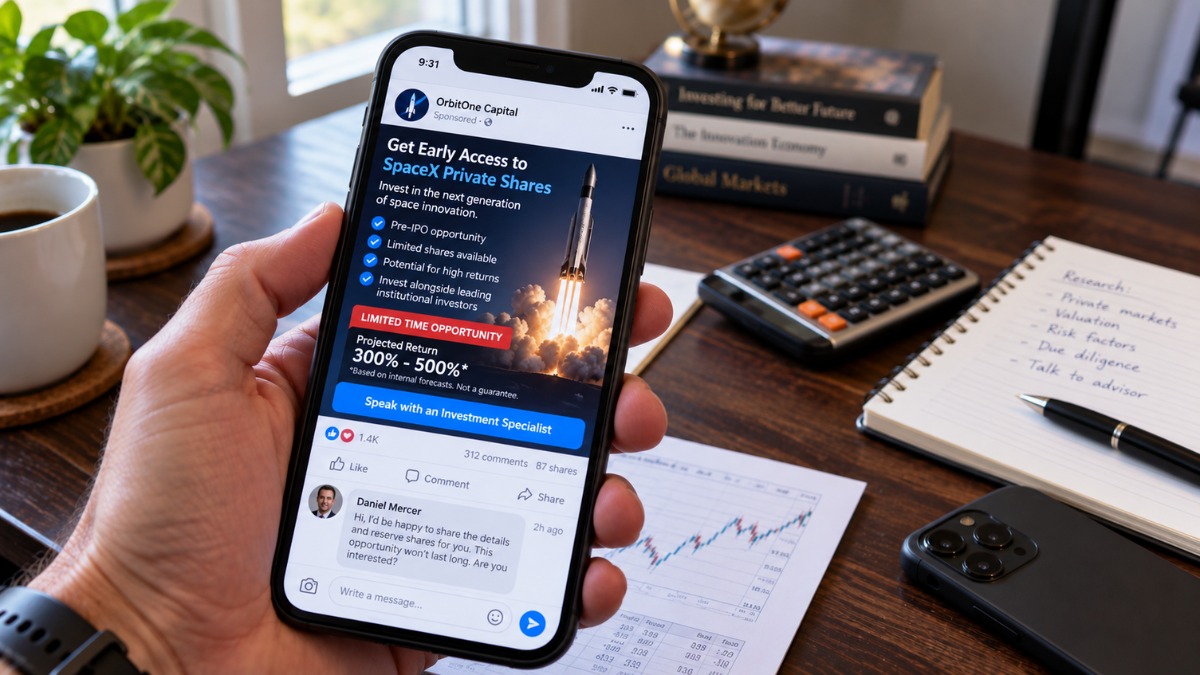
1. The Seller Still Promises a “Pre-IPO Allocation”
SpaceX’s Class A common stock began trading under the ticker SPCX on June 12, 2026, and the IPO closed on June 15, 2026. A current offer described as a new SpaceX pre-IPO investment conflicts with that documented timeline. A scammer may try to explain the contradiction by claiming that the shares came from an employee pool, a delayed overseas allocation, or an undisclosed institutional reserve.
Ask exactly what security is being sold. Request documents identifying the legal issuer, share class, custody arrangement, settlement process, and associated rights. Verify each detail independently. “Confidentiality” does not justify withholding basic transaction terms.
2. You Must Wire Money Immediately
Urgent wire instructions are a classic warning sign of investment fraud. The promoter may claim that the allocation expires that day, that the price will change within hours, or that compliance has already approved the transaction. The requested payment may be directed to an individual, an unrelated limited liability company, an unexplained overseas account, or a newly created entity with no clear connection to the seller.
Never let an artificial deadline replace verification. A legitimate professional should allow enough time for you and your advisers to review the documents and confirm payment instructions.
3. The Pitch Guarantees Access, Profit, or Liquidity
No legitimate seller can guarantee the future performance of SpaceX shares. Claims such as “risk-free SpaceX shares,” “confirmed 3x return,” or “automatic buyback after listing” should trigger immediate concern. Even a genuine security can lose value, face trading restrictions, or carry contractual limitations.
Guaranteed access is also suspect when the seller cannot prove ownership or authority to transfer the asset. Ask for evidence that the seller owns or controls the security and that the proposed transfer complies with applicable agreements and securities laws. A screenshot, spreadsheet, unsigned allocation letter, or verbal assurance is not enough.
4. The Broker or Adviser Cannot Be Independently Verified
Fake brokers often impersonate real professionals. FINRA warns that scammers may copy names, registration numbers, websites, and public background information. Some alter a genuine BrokerCheck report or create a nearly identical domain name.
Search for the individual and firm directly through FINRA BrokerCheck and the SEC’s Investment Adviser Public Disclosure database. Compare the listed employer, office address, website, phone number, and email domain with the solicitation. Call the firm using contact details obtained from its official regulatory record, not the number provided in the solicitation. A real person’s valid registration does not prove that the person messaging you is genuine.
5. A Token Supposedly Represents SpaceX Shares
Tokenized securities can use different structures, including issuer-sponsored, custodial, and synthetic models, but the term “tokenized” does not prove that a token conveys direct ownership rights. The holder’s legal rights depend on the specific structure, ownership records, custody arrangement, and governing documents.
A private-stock scam may involve a digital token that merely tracks a price, promises future conversion, or has no enforceable link to SpaceX shares. Ask who issued the token, who holds the underlying security, how ownership is recorded, what redemption rights exist, and which regulator oversees the platform.
Treat requests to send cryptocurrency to a wallet as especially high risk. Blockchain entries cannot create genuine shareholder rights when the issuer, custodian, and underlying asset are fictional.
6. Ownership and Transfer Documents Are Missing or Vague
A legitimate private securities transaction should produce documentation beyond a payment receipt. The documents should identify the parties, security, quantity, price, fees, restrictions, custody arrangement, settlement conditions, and responsible legal entity.
Be cautious when the seller avoids providing subscription documents, governing agreements, offering materials, audited financial information where applicable, or a clear explanation of beneficial ownership. Fraudsters may send forged certificates, fake capitalization-table screenshots, or fabricated SEC forms. Confirm records with the relevant custodian, transfer agent, broker-dealer, or issuer using independently sourced contact information.
7. The Story Changes When You Ask Questions
Scammers often sound confident until an investor requests specific evidence. Watch for inconsistent company names, unexplained price differences, changing wire instructions, missing signatures, pressure to keep the offer secret, or anger when you consult an attorney or registered adviser.
A legitimate transaction should become clearer during due diligence. Stop when answers do not align with documents or regulatory records.
How to Verify a SpaceX Investment Offer Before Paying
Use this process before sending money or personal information:
- Confirm the company’s current status. Review SpaceX’s official investor-relations materials and SEC EDGAR filings. Because the IPO has already occurred, reject any pitch that depends on the claim that SpaceX has not yet gone public.
- Identify the exact product. Determine whether the offer involves public common stock, a fund interest, an SPV, a derivative, a token, or another instrument. Do not accept broad phrases such as “SpaceX exposure.”
- Check the professional and firm. Search BrokerCheck and IAPD yourself. Review registration status, employment, disclosures, and official contact information.
- Verify the offering documents. Confirm the legal entity, ownership chain, fees, conflicts, restrictions, and settlement process. Have a securities attorney or qualified financial professional review any materials you do not understand.
- Confirm payment instructions independently. Call the regulated firm using a verified number. Make sure the account name matches the contracting entity. Do not send funds to an individual, unrelated business, crypto wallet, or unexplained overseas account.
- Contact a regulator when details remain unclear. Investors anywhere in the United States can consult their state securities regulator in addition to federal resources. State regulators can provide information about licensing requirements and accept reports of suspicious activity.
- Pause before acting. Discuss the offer with someone who has no financial interest in the transaction. Fraud depends on speed and isolation. Independent review weakens both tactics.
What to Do if You Already Sent Money
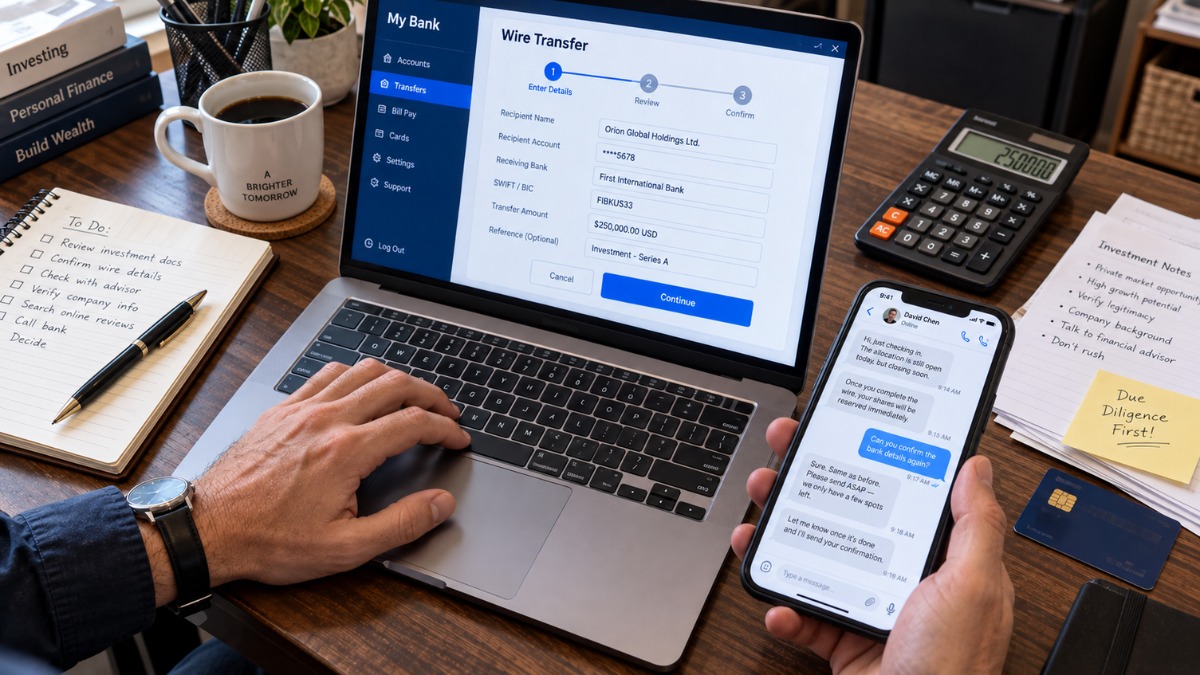
Act quickly, but be cautious of anyone promising guaranteed recovery for an upfront fee. Recovery scams often target people who have already lost money.
- Contact the payment provider immediately. Notify your bank, wire service, card issuer, payment app, or cryptocurrency platform. Report the transaction as fraudulent and ask whether it can be stopped, recalled, frozen, or reversed.
- Preserve all evidence. Save emails, text messages, chat logs, contracts, receipts, phone numbers, account details, wallet addresses, and website screenshots.
- Report the activity. Contact your state securities regulator and, when appropriate, local law enforcement. Reporting does not guarantee recovery, but timely documentation may help investigators trace the funds.
Frequently Asked Questions
Can someone still sell private SpaceX shares after the IPO?
Existing restricted shares, employee or affiliate holdings, and other privately held positions may remain subject to resale conditions after the company’s June 2026 IPO, but they are no longer shares being sold before the IPO. Any off-exchange offer requires careful review of ownership, transfer restrictions, seller authority, and settlement procedures. Do not assume that a private transaction is legitimate simply because SpaceX is now publicly traded.
Is every SpaceX token a scam?
Not automatically. A token may represent a security, a custodial interest, a synthetic product, or nothing enforceable at all. Verify the issuer, underlying asset, custody, legal rights, registration or exemption, platform oversight, and redemption terms. A token’s name or blockchain record does not prove equity ownership.
How can I tell whether a broker is real?
Search for the professional and firm directly through BrokerCheck and IAPD. Compare the regulatory record with the solicitation, then contact the firm using a verified phone number obtained from its official regulatory record or website. Do not rely on a PDF report, social media profile, encrypted chat, or caller ID supplied by the person seeking your money.
What is the biggest warning sign of a SpaceX investment scam?
A current claim of exclusive “SpaceX pre-IPO shares” is a major warning sign because the IPO has already occurred. Other high-risk signals include guaranteed returns, urgent wires, crypto-only payment, secrecy, unverifiable ownership, and refusal to provide complete documents.
Should I share financial documents to prove I qualify?
Do not send tax returns, bank statements, copies of identification documents, or Social Security numbers until you have independently verified the firm, professional, product, secure submission process, and reason for collecting the information. Scammers can use accreditation checks as a pretext for identity theft.
Verify the Offer Before You Invest
A famous company name does not make an investment offer legitimate. Slow the process down, verify every participant independently, and refuse to send money until the security, seller, custody arrangement, and payment destination all match documented records. Investors seeking educational guidance on evaluating SpaceX-related claims can use Invest in SpaceX by Best as one resource within a broader due diligence process.
DISCLAIMER: This article is for general educational purposes and does not provide financial, legal, or tax advice. This website is not affiliated with, endorsed by, or reviewed by SpaceX. Investment decisions should be reviewed with appropriately licensed financial and legal professionals.