What’s In This Guide
- What Does Hiive SpaceX Stock Mean?
- How Should You Read Live Orders and Estimated Prices?
- Why Does Bid-Ask Spread Matter For SpaceX Private Shares?
- How Can Buyers Check Seller Credibility And Share Availability?
- What Fees and Restrictions Should You Review Before Investing?
- What Risks Make SpaceX Private-Market Orders Different From Public Stocks?
- What Questions Do Readers Ask About Hiive SpaceX Stock?
- Frequently Asked Questions (FAQs)
Interest in Hiive SpaceX stock continues to grow as more investors look for ways to access one of the world’s most valuable private companies. However, unlike publicly traded stocks, private-market listings do not represent continuously traded securities with transparent pricing. Each listing may reflect an indicative price, a live order, or a seller’s willingness to negotiate, not a guaranteed transaction.
Quick Facts
- SpaceX remains a private company, so no public exchange quote exists for ordinary retail trading.
- Hiive-style listings may show indicative prices, live orders, or available supply, but availability can change quickly.
- Bid-ask spread reveals the potential negotiation gap and liquidity friction.
- Private-company shares may require accredited investor verification and transfer approval.
- Order due diligence should cover seller credibility, fees, documents, restrictions, and exit uncertainty.
What Does Hiive SpaceX Stock Mean?

Hiive SpaceX stock usually refers to private-market listings or indications connected to SpaceX secondary shares. The term does not mean SpaceX trades on a public exchange. Buyers should treat each listing as an invitation to investigate, not as a finished investment recommendation.
Private-market investing differs from public stock buying because disclosure, liquidity, and transfer rules are more limited. A company offering securities must register with the SEC or find a registration exemption, which is why eligibility and documentation matter.
How Should You Read Live Orders and Estimated Prices?
Live orders and estimated prices can show current marketplace interest, but private-market order data may be thin, delayed, conditional, or non-binding. Buyers should compare listed price, quantity, seller requirements, platform fees, and transaction status before drawing conclusions.
|
Order Detail |
What It May Show |
Question to Ask |
|
Estimated price |
Indicative market level or listing expectation |
Is the price binding or only an estimate? |
|
Bid-ask spread |
Gap between buyer bids and seller asks |
How much negotiation friction exists? |
|
Quantity available |
Possible supply from sellers |
Can the full order actually close? |
|
Order age |
How recently the interest appeared |
Is the listing still active? |
|
Platform fees |
Transaction cost outside share price |
What is the all-in price? |
Why Does Bid-Ask Spread Matter For SpaceX Private Shares?
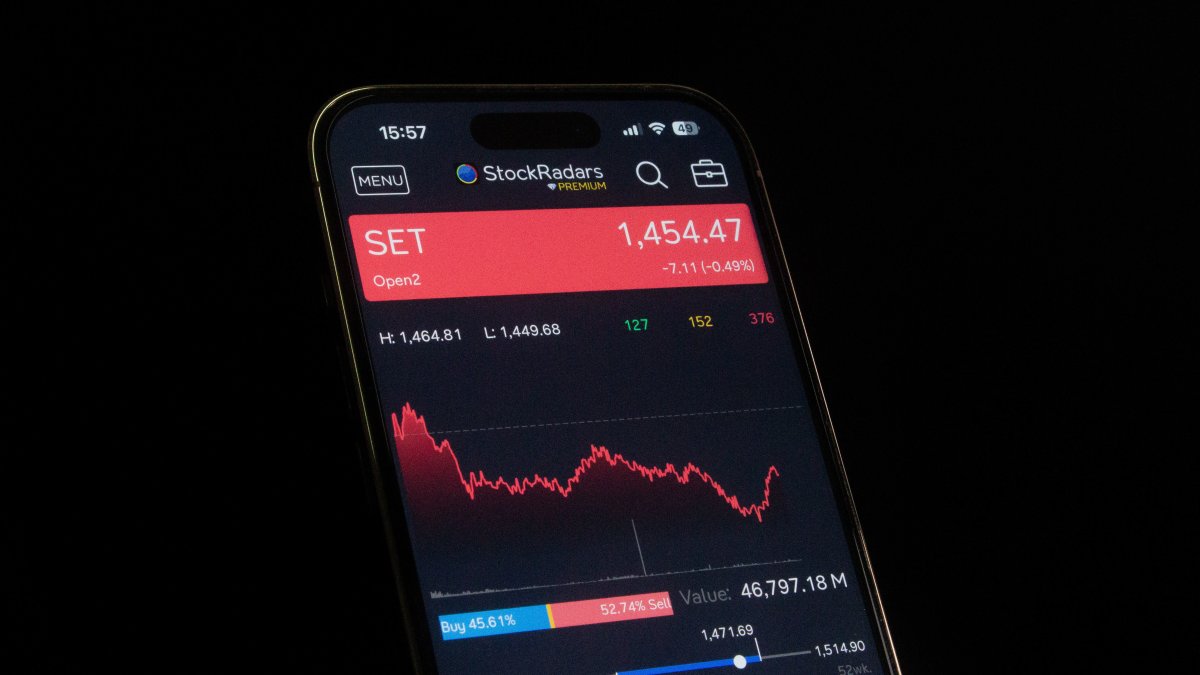
Bid-ask spread matters because private-market liquidity is limited. A wide spread can mean buyer and seller expectations are far apart, recent price discovery is weak, or transaction costs are high. A narrow spread can still require legal, eligibility, and transfer review.
For example, a seller may ask one price based on a prior funding round, while buyers may bid lower because exit timing is uncertain. The spread helps buyers see friction, but the spread does not prove fair value.
How Can Buyers Check Seller Credibility And Share Availability?
Seller credibility review should happen before price negotiation becomes the focus. Buyers should confirm the seller has transferable exposure, the documents match the advertised security, and the company or platform process can support closing.
Step 1: Confirm The Seller Source
Ask whether the seller is an employee, former employee, early investor, fund, SPV, or intermediary. Seller type can affect transfer documents, required consents, tax history, and the chance that the transaction closes.
Step 2: Confirm The Instrument
Identify whether the listing represents direct shares, SPV interests, a fund interest, a forward contract, or another private-market instrument. Exposure type affects rights, fees, liquidity, and tax reporting.
Step 3: Confirm Transfer Approval
Private-company transfers may require company consent or compliance with right-of-first-refusal procedures. A buyer should understand who handles the transfer process and what could prevent closing.
What Fees and Restrictions Should You Review Before Investing?
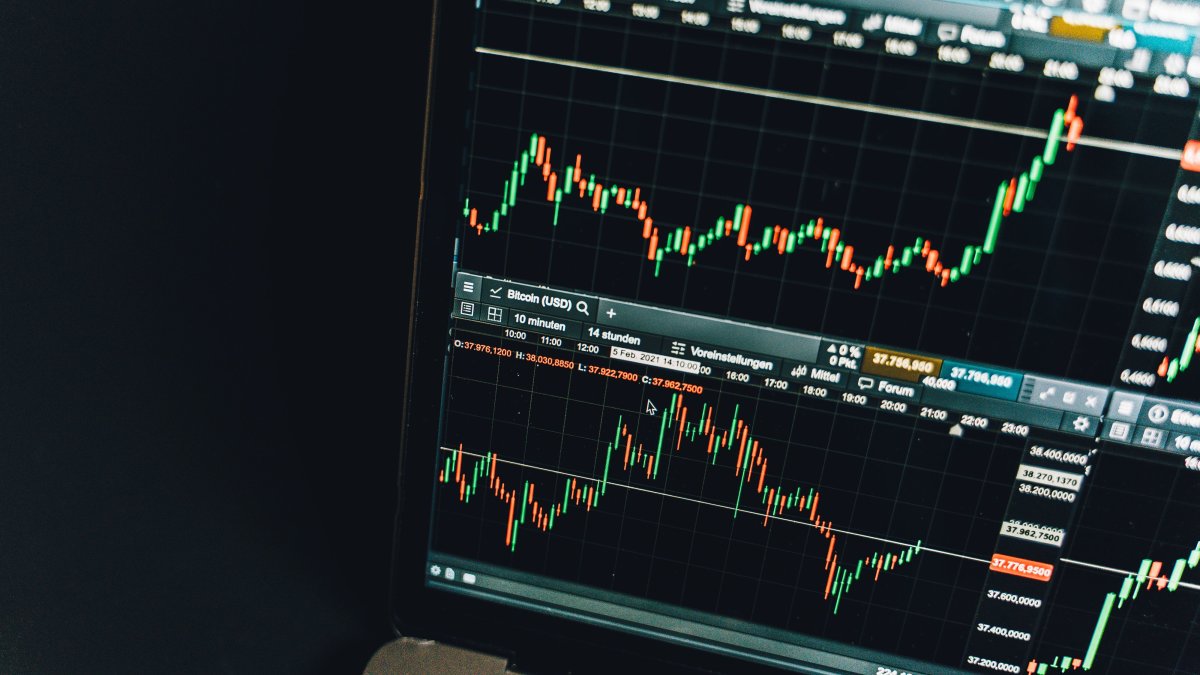
A buyer should calculate the all-in cost before comparing the order price to any valuation headline. Platform fees, SPV expenses, administrative fees, carried interest, escrow costs, and legal costs can change the effective purchase price.
Investment fees can meaningfully affect long-term portfolio results. Private-market buyers should apply the same fee discipline to transaction fees and ongoing expenses because private shares can remain illiquid for years.
- Transaction fee or commission charged at closing.
- SPV setup, administration, or management fees.
- Carried interest or profit participation charged by a vehicle manager.
- Transfer, legal, escrow, or custodian costs.
- Minimum holding period, resale limit, or lack of buyer demand.
MORE ON THIS TOPIC: SpaceX IPO 2026: What to Expect and How to Prepare
What Risks Make SpaceX Private-Market Orders Different From Public Stocks?
SpaceX private-market orders involve private-company risk, not ordinary public stock trading. Buyers may face limited disclosures, valuation uncertainty, uncertain exit timing, concentration risk, regulatory eligibility rules, and no guaranteed ability to resell.
Private-market availability can also create false confidence. A listing may exist because an employee wants liquidity, a fund is rebalancing, or a seller is testing demand. None of those reasons proves future return potential.
What Questions Do Readers Ask About Hiive SpaceX Stock?
Can I Buy SpaceX Stock On A Public Exchange?
No public exchange ticker exists for SpaceX as of this writing. SpaceX exposure usually appears through private-market transactions, funds, or indirect public-company exposure, each with different risk.
Does a Hiive Listing Guarantee Share Availability?
No. A listing can change, expire, fill, or fail to close. Buyers should confirm active availability, seller status, documentation, and transfer conditions before relying on a displayed order.
What Is a Bid-Ask Spread?
Bid-ask spread is the difference between the price buyers are willing to pay and the price sellers are asking. In private markets, a wider spread can signal weaker liquidity or uncertain valuation.
Do I Need to Be Accredited to Buy Private SpaceX Shares?
Many private-market opportunities require accredited investor status or other eligibility checks. Platform rules, offering structure, and securities exemptions determine access.
Is SpaceX Private Stock Suitable For Retirement Money?
Suitability depends on risk tolerance, liquidity needs, concentration, eligibility, and professional advice. Private-company shares can be illiquid and speculative, so retirement funds require extra caution.
Frequently Asked Questions (FAQs)
How should you perform due diligence before buying private SpaceX shares?
Due diligence should come before price excitement. A buyer should evaluate eligibility, order status, seller source, instrument type, fees, transfer approval, lockups, and exit assumptions before treating any SpaceX private-market listing as actionable.
The buyer should also separate company interest from investment suitability. SpaceX may be a widely followed private company, but brand recognition does not eliminate valuation risk, liquidity risk, concentration risk, or the need for professional advice. A private order can fail even when buyer demand is strong.
- Confirm accredited investor or other eligibility requirements before reviewing allocations.
- Ask whether the order involves direct shares, SPV units, fund interests, or a forward contract.
- Calculate all-in price after platform costs, spreads, legal fees, and vehicle expenses.
- Confirm the transfer approval process and the expected closing timeline.
- Document the exit assumption and what happens if no IPO or tender event occurs.
How should you compare SpaceX with other private investment opportunities?
Comparison should focus on risk-adjusted fit, not popularity. A buyer should compare SpaceX exposure with other private opportunities by liquidity, minimum investment, fees, concentration, transparency, share class, valuation basis, and exit path.
A private-market buyer may prefer a lower-profile company with clearer documents over a famous company with a wide bid-ask spread and uncertain access. Private-market discipline requires comparing what the buyer actually receives, not only the name attached to the listing.
Buyers should also consider portfolio concentration. A private SpaceX position may be illiquid for years and may not fit investors who need near-term cash, diversified retirement assets, or predictable income. The key question is not only whether SpaceX is compelling. It is whether the order fits the investor’s goals, risk tolerance, and liquidity needs.
What is the difference between a tender offer and a secondary sale?
Tender offers and secondary sales can both create liquidity, but buyers should not treat the terms as identical. A company-led tender may have formal conditions, eligible seller rules, and company control. A platform secondary sale may depend on seller availability, transfer approval, and market demand.
A tender price can influence expectations, but a tender price does not automatically become the fair price for every secondary transaction. Tender terms may include limits on seller participation, company priorities, and timing. Secondary prices can move above or below a tender reference because liquidity and allocation differ.
- Ask whether the reference price came from a funding round, tender offer, broker indication, or platform order.
- Ask whether the displayed order is firm, indicative, partially filled, or only an expression of interest.
- Ask whether the buyer receives direct shares or exposure through a vehicle.
Why should investors write an investment thesis before buying?
Investors should document the investment thesis, downside case, liquidity limits, concentration level, and exit assumption before pursuing a private SpaceX order. Written notes can prevent momentum, brand recognition, and fear of missing out from replacing investment discipline.
A written thesis should include why the price is reasonable, what information is missing, how long the investor can hold an illiquid asset, and what percentage of investable assets the position would represent. If the thesis depends only on a future IPO, the buyer should treat that as speculation.
Buyers should also record what would make the investment unsuitable. Examples include inability to verify seller rights, excessive fees, uncertain transfer approval, too much portfolio concentration, or a personal need for liquidity within the next several years.
Why should scarcity not drive your investment decision?
Scarcity should create caution, not urgency. A limited SpaceX allocation may deserve review, but limited availability does not prove fair price, clean title, successful transfer, or suitability. Buyers should document the diligence process before responding to a deadline.
Private-market scarcity can pressure investors into overvaluing access. A disciplined buyer asks whether the same capital could be used in public aerospace companies, diversified funds, cash reserves, or other private opportunities with clearer documents. The buyer should compare opportunity cost before treating a SpaceX order as unique.
A buyer should also ask what happens if the investment cannot be sold for five or more years. SpaceX may remain private, tender access may be limited, and secondary-market demand may change. Liquidity planning should occur before purchase, not after the buyer needs cash.
Explore Private SpaceX Opportunities With Invest in SpaceX by Best
If you are evaluating private-market SpaceX opportunities, Invest in SpaceX by Best can help you review the process with educational resources and investor guidance. Learn how private transactions work, understand eligibility and transfer requirements, and make more informed decisions before pursuing a potential investment.